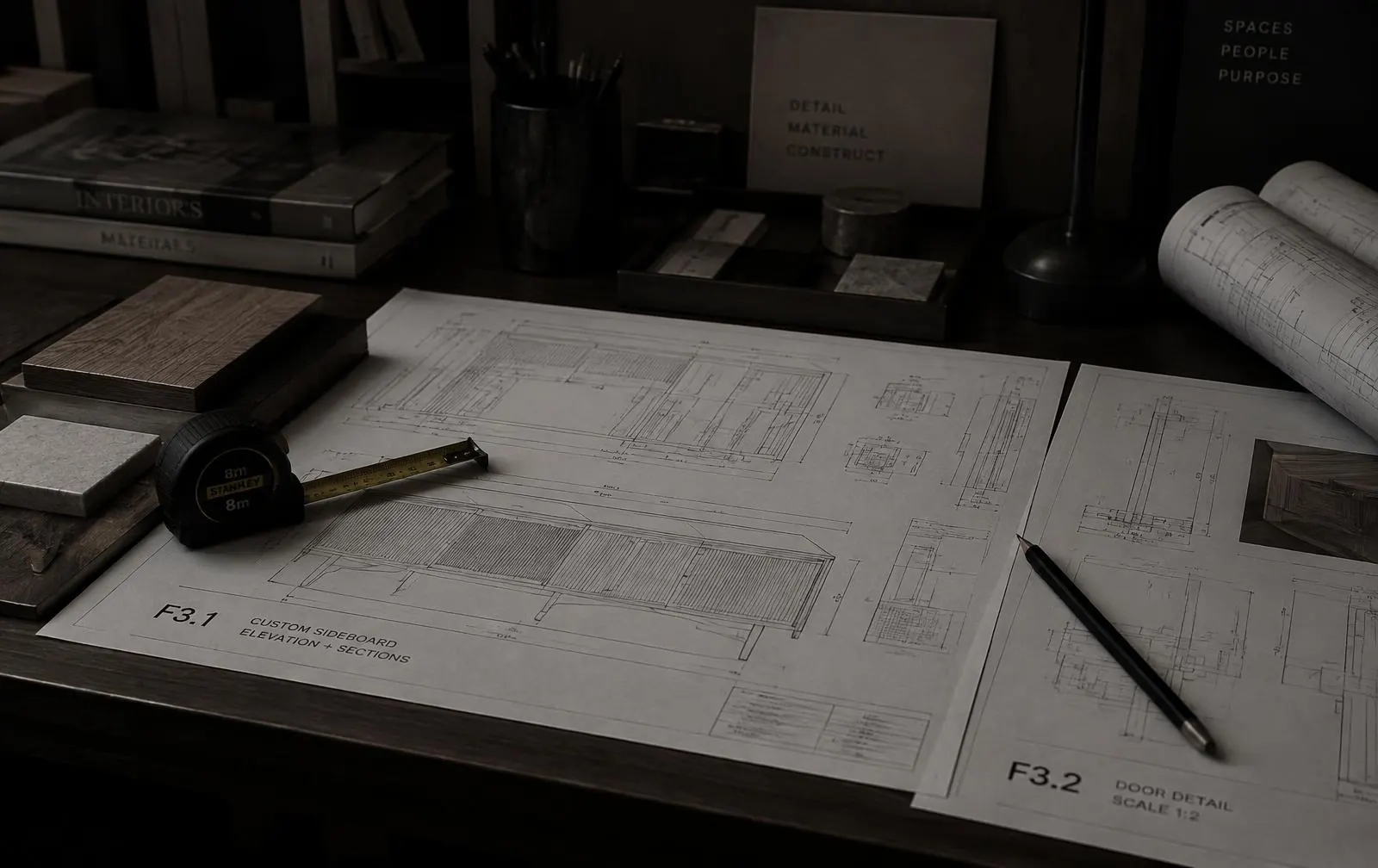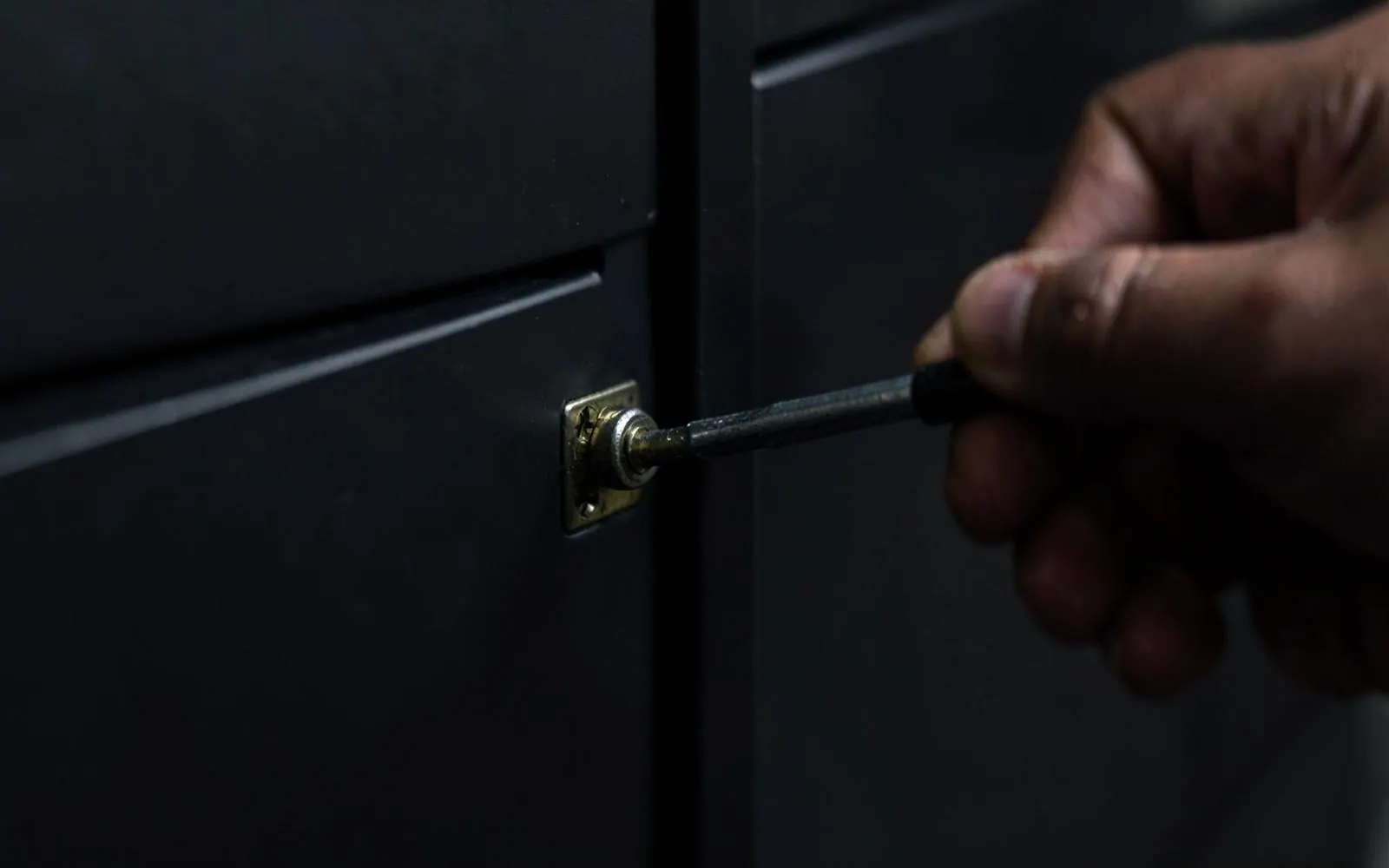
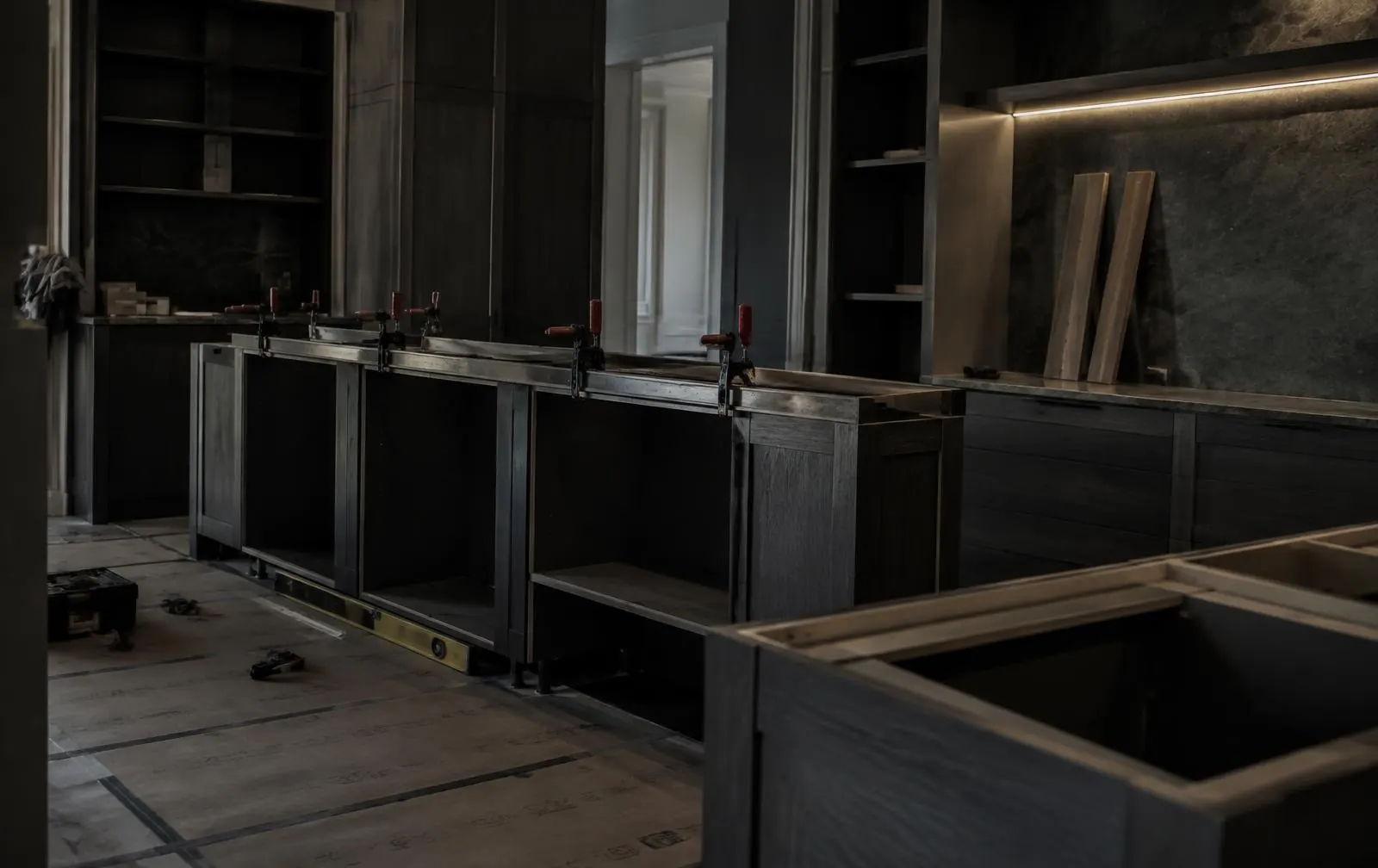
A premium furniture installation checklist for the site
What to check before delivery, during installation and before handover so the project is delivered on time and without a snag list.
Why a checklist beats experience
An experienced fitter knows what to check. But even an experienced crew, three weeks into an intensive site, will miss small things. A checklist is not distrust — it is a way of making quality independent of the day, the mood or the rush.
One week before: site readiness
We confirm that finishes are complete, power works, lighting is on and the route to the room is clear. We check lift dimensions and operating hours, doorway widths and staircase turns. If even one component will not fit into the lift, the solution must exist in advance, not on the morning of delivery.
We also agree on a storage area, packaging removal, working hours (particularly in occupied buildings and trading stores) and a single point of contact on site.
Climate and materials
Solid timber and veneered fronts react to humidity. The recommended room humidity during installation is around 45-55 % with a stable temperature. Furniture should acclimatise in the room for at least 24 hours before installation if it was transported in cold weather.
If plasterers are still working or filler is drying, we postpone. Furniture installed into a damp room is a guaranteed source of claims three months later.
Installation day: protection first
Floor covering, door frame protection, corner guards, dust control. One scratch on a lacquered front or a stone floor costs more than all the protection materials for the entire installation period. It is not a cost, it is insurance.
We unpack in the room where we install and immediately inspect components for transport damage. A damaged part spotted on day one can still be remade in time. Spotted on the last day, it cannot.
Installation sequence and daily control
We work in phases: setting out and levels, carcasses, worktops, fronts, hardware adjustment, finishing details. Each phase ends with a check rather than a jump to the next. A level checked after the carcasses cost five minutes; the same level after the fronts costs half a day.
Every day we record progress with photos and a short note. The client or project manager sees the status without being on site, and every decision taken on site stays written down.
Before handover: a final day for details only
Gaps between fronts even over the full height. Doors closing without a knock and without friction. Drawers pulling out fully and returning quietly. Sealant lines even. Plinths sitting tight. Surfaces cleaned with the right products, without streaks. Appliances switched on and tested.
A snag-free handover is not luck — it is the result of a final day reserved for details alone. We plan that day in advance and never sacrifice it, even when the schedule is tight.
The documents we hand over
A completion act, a photo report, a snag list (if anything remains) with deadlines, care instructions for hardware and surfaces, and manufacturer warranty information. Tidy documentation protects both sides and is often the only proof of how the site looked on handover day.